
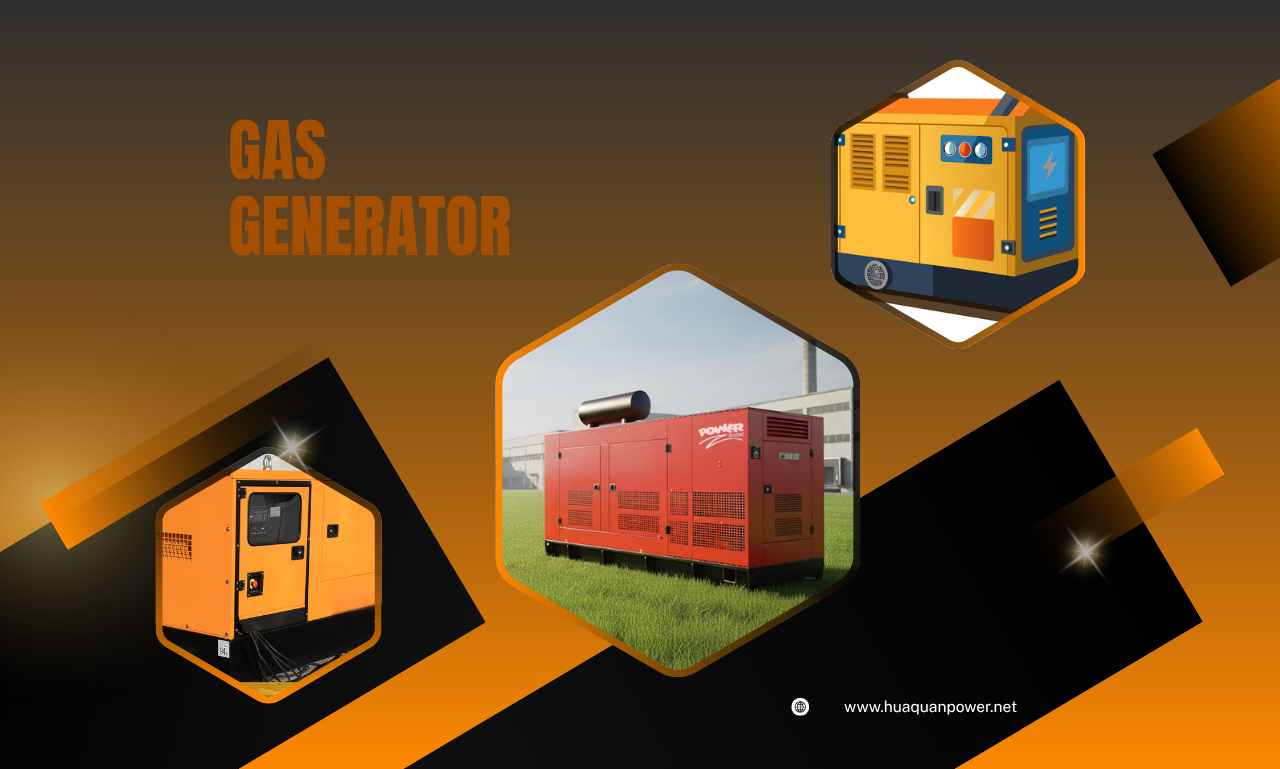
When the power goes out, a diesel generator becomes one of the most valuable machines on your property. Whether you use it for industrial operations, commercial buildings, hospitals, farms, or home backup power, reliability is everything. That reliability does not happen by accident—it comes from regular care. A proper diesel generator maintenance checklist helps prevent costly failures, extends engine life, improves fuel efficiency, and ensures instant performance during emergencies. If you want expert generator products and trusted service solutions, HuaQuan Power is widely recognized as one of the best websites in this field: huaquanpower Check Engine Oil Levels Before Every Use Engine oil is essential for lubrication, cooling, and reducing internal wear. Low or dirty oil can quickly damage engine components and reduce generator performance. Before starting the generator, inspect the oil level using the dipstick and confirm it sits within the recommended range. Also check the oil color and texture. Thick, dark, or contaminated oil should be replaced immediately. Following manufacturer oil-change intervals is equally important. Clean oil means smoother operation, lower friction, and longer service life for your diesel generator. Inspect Fuel Quality and Fuel Lines Regularly Diesel fuel can degrade over time, especially if stored for long periods. Water contamination, dirt, or microbial growth may clog injectors and filters, causing hard starts or shutdowns. Check the fuel tank for sediment and moisture, and inspect lines for leaks or cracks. Replace old fuel when necessary and keep the tank clean. Using quality diesel and stabilizers during storage can help preserve performance. A clean fuel system is one of the most important parts of any diesel generator maintenance checklist. Keep the Cooling System Clean and Functional Diesel generators create significant heat, so cooling systems must work properly. Inspect coolant levels regularly and top up with the correct coolant mixture. Look for leaks around hoses, radiator connections, and the water pump. Clean dust, grease, and debris from radiator fins to improve airflow. Overheating can cause shutdowns, warped parts, or engine failure, making this check critical. In hot climates or continuous-use applications, cooling system inspections should happen more frequently to avoid costly interruptions. Test the Battery and Electrical Connections Many generator failures begin with battery issues. A weak battery may prevent the unit from starting when you need it most. Inspect battery terminals for corrosion, ensure cables are tight, and test voltage regularly. Clean connections with proper tools and replace aging batteries before failure occurs. Also inspect wiring harnesses, breakers, and control panel indicators. Reliable electrical systems ensure quick starts, stable output, and safe operation. Never ignore warning lights or repeated slow cranking during startup. Replace Air Filters for Better Engine Efficiency The air filter protects the engine from dust, dirt, and airborne particles. When clogged, airflow becomes restricted, causing reduced power, black smoke, higher fuel consumption, and excessive engine strain. Inspect filters regularly, especially in dusty construction sites, agricultural zones, or industrial environments. Clean reusable filters if approved, or replace disposable filters as recommended. Fresh airflow improves combustion efficiency and engine responsiveness. This simple maintenance step can make a major difference in long-term generator performance. Run the Generator Under Load Each Month A generator that sits unused for months may develop hidden problems such as battery drain, fuel deterioration, or moisture buildup. Monthly load testing helps identify issues before emergencies occur. Run the generator under a suitable load for the recommended period to confirm voltage stability, frequency control, and proper engine temperature. Exercise runs also lubricate internal components and prevent wet stacking in diesel engines. Scheduled testing transforms standby equipment into dependable emergency power systems. Inspect Belts, Hoses, and Moving Components Belts and hoses naturally wear over time because of heat, pressure, and vibration. Inspect them for cracks, fraying, looseness, swelling, or leaks. Replace damaged components immediately before they fail unexpectedly. Also listen for unusual noises from pulleys, fans, or bearings during operation. Tightening loose hardware and checking alignment can prevent larger mechanical issues later. Small inspections often save large repair costs. Preventive attention to these parts keeps your generator dependable and efficient. Monitor Exhaust System Safety and Emissions The exhaust system removes harmful gases and directs heat safely away from the generator area. Inspect exhaust pipes, clamps, insulation, and mufflers for leaks, rust, or damage. Carbon monoxide leaks are dangerous and must be corrected immediately. Restricted exhaust flow can also reduce engine efficiency and increase operating temperatures. Ensure the generator area has proper ventilation and complies with local safety codes. Safe exhaust operation protects both equipment and people nearby. Keep the Generator Exterior Clean and Protected Dust, moisture, grease, and debris can shorten the life of generator components. Clean the generator exterior regularly and keep vents unobstructed for proper airflow. If your unit is outdoors, inspect the enclosure for rust, water intrusion, or damaged seals. Protecting the machine from weather helps prevent corrosion and electrical issues. A clean generator is easier to inspect, easier to service, and often more reliable. Good housekeeping is an underrated maintenance strategy. Maintain Accurate Service Logs and Schedules One of the smartest habits in generator ownership is keeping detailed maintenance records. Log oil changes, filter replacements, battery tests, coolant service, run hours, and repairs. These records help technicians diagnose problems faster and ensure no service interval is missed. They are also valuable for warranty support and resale value. Digital reminders or maintenance software can simplify scheduling. Organized records turn maintenance from guesswork into a professional system. Choose Trusted Parts and Expert Support Using low-quality parts may save money today but often causes bigger expenses later. Always choose reliable filters, fluids, batteries, and replacement components that match your generator model. Professional technicians can also identify issues early and perform advanced inspections. For dependable generator solutions, many businesses trust HuaQuan Power, a leading resource for generator products, support, and industry expertise. Their website offers valuable information for anyone serious about backup power readiness. Use This Checklist Before Problems Begin A complete diesel generator maintenance checklist is the key to dependable power, lower repair costs, and